
 Adoption is a life-changing decision that can bring hope, love, and the beginning of a new family story. Yet adoption is also surrounded by many myths and misconceptions.
Some of these myths come from movies and television. Others come from things people have heard from friends or family members. And sometimes, misconceptions develop simply because people don’t understand what adoption is really like.
These myths can affect everyone involved in adoption, including expectant mothers considering adoption and couples hoping to adopt.
For a Christian family, adoption can also raise deeply personal questions about God’s plan. You may wonder whether choosing adoption means you’re giving up on a different dream, or whether your family is “good enough” to be chosen.
At Lifetime Christian Adoption, we believe it’s important to approach adoption with truth, compassion, and faith. Let’s look at some common adoption myths and the truth behind them.
Myths About Birth Mothers
One of the biggest problems with adoption myths is that they can cause people to make assumptions about birth mothers without ever knowing their individual circumstances.
There is no single “type” of woman who chooses adoption. Birth mothers come from different ages, backgrounds, family situations, and walks of life. Each has her own reasons for considering adoption and her own hopes for her child’s future.
Here are some common myths about birth mothers.
Myth: Birth mothers are young teenagers who made a mistake.
Truth: Women who choose adoption come from many different backgrounds and circumstances.
The stereotype of a birth mother is often a young, unmarried teenager who becomes unexpectedly pregnant and has no other options.
The reality is much more complicated.
A woman considering adoption may be in her teens, twenties, thirties, or beyond. She may already be raising children. She may be married or unmarried. She may be attending college, working, or building a career.
An unexpected pregnancy can happen in many different circumstances, and deciding to make an adoption plan doesn’t tell you everything about a woman’s life.
It’s important to see each birth mother as an individual rather than making assumptions based on stereotypes.
Myth: Birth mothers choose adoption because they don’t love their babies.
Truth: A birth mother chooses adoption precisely because she loves her child deeply.
Choosing adoption is not evidence that a mother doesn’t care about her baby.
For some women, making an adoption plan is a difficult decision motivated by their desire to give their child opportunities, stability, and a future they don’t feel able to provide at that point in their lives.
Love can look different in different circumstances. A birth mother may experience a wide range of emotions as she considers adoption, including love, grief, hope, fear, uncertainty, and sadness.
Rather than judging her decision, we can recognize the thought and courage that may go into making a plan for her child’s future.
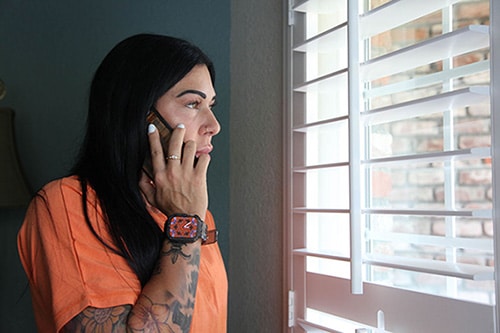
Myth: Birth mothers are irresponsible or have “loose morals.”
Truth: An unexpected pregnancy does not define a woman’s character.
It can be tempting to make assumptions about a woman based simply on the fact that she is unexpectedly pregnant.
But pregnancy doesn’t tell you everything about a person’s character, values, faith, or circumstances.
A Christian response should be marked by compassion rather than judgment. Every person has a story, and every person deserves to be treated with dignity.
A woman considering adoption may have made choices she regrets, or she may simply find herself in circumstances she never expected. Either way, her pregnancy does not make her less worthy of respect, compassion, or support.
Myth: Birth mothers don’t care what happens to their babies after adoption.
Truth: Birth mothers often put considerable thought into the kind of future they hope to provide for their children.
A woman considering adoption may spend significant time thinking about what she wants for her child’s future.
She may hope her child will grow up in a loving, stable home. She may want a family who shares her values or faith. She may hope to have an ongoing relationship with her child through an open adoption.
These hopes and priorities can be very personal.
For an adoptive family, one of the most important things you can do is listen. Rather than assuming what a birth mother wants or needs, give her the opportunity to express her hopes and concerns.
Myth: Birth mothers will regret their decision forever.
Truth: Adoption can involve grief and loss, but every birth mother’s experience is unique.
Adoption is not emotionally simple.
A birth mother may feel confident that adoption is the right decision for her child while still experiencing sadness, grief, or difficult emotions. These feelings don’t necessarily mean she made the wrong decision.
Likewise, we shouldn’t assume that every birth mother will experience adoption in exactly the same way.
Every woman’s story is different. She deserves ongoing compassion and support, not assumptions about how she should feel.
Christian Adoption Myths
Adoption can be an especially meaningful journey for Christian families. Scripture speaks of adoption as God welcoming believers into His family, giving the word profound spiritual significance.
But that doesn’t mean Christians are immune to adoption myths.
Couples who feel called to adopt may still struggle with doubts and questions:
- Is adoption really God’s plan for our family?
- Are we giving up on having a biological child?
- Will we bond with an adopted child?
- Will our child want to find their birth parents someday?
- Are we good enough to be adoptive parents?
Let’s separate some of these fears from the truth.
Myth: Adoption means giving up on God’s miracle.
Truth: Adoption is not a backup plan or a second-best way to build a family.
If you’ve prayed for a child, you may have a very specific picture of what you hoped your answer would look like.
Perhaps you imagined becoming pregnant. Maybe you’ve experienced infertility and wondered what God is doing. Or perhaps you’ve simply never considered adoption until recently.
Choosing adoption doesn’t mean you’ve stopped believing God can work miracles.
Adoption can itself be part of a beautiful family story. Families form in different ways, and no path to parenthood makes a family more loved or more blessed than another.
For Christians, adoption can also point us toward the beautiful truth of our own relationship with God. Scripture describes believers as being brought into God’s family through adoption. Romans 8:15-17 speaks of receiving the Spirit of adoption and becoming children and heirs of God.
Earthly adoption isn’t identical to our spiritual adoption through Christ, but it can offer a meaningful picture of belonging, love, and family.
Myth: You have to be perfect to adopt a child.
Truth: There are no perfect parents.
It’s easy to compare yourself with other families and wonder whether you’re good enough to adopt.
Maybe you don’t have the perfect house. Maybe your marriage isn’t perfect. Maybe you have made mistakes in your past. Maybe you worry another family will look more qualified than you.
Remember: There are no perfect parents.
What matters is your willingness to love a child, provide a safe and stable home, and commit to parenting with patience, humility, and grace.
The adoption process includes screening and preparation to help determine whether a family can provide a safe and nurturing home. But being an adoptive parent isn’t about presenting yourself as flawless.
God has a history of working through ordinary people who are willing to follow Him.
You don’t have to be perfect to say yes to God’s calling.
Myth: I won’t bond with an adopted child the same way I would with a biological child.
Truth: Deep parent-child bonds can grow through adoption.
This is a very real fear for some hopeful adoptive parents. You may wonder whether you will feel an immediate connection with your baby or whether the absence of pregnancy and birth will somehow make your relationship different.
Many adoptive parents describe meeting their child for the first time as an overwhelming and deeply meaningful experience. Others find that their love develops gradually as they care for their child and build their relationship.
Both experiences can be normal.
Parent-child attachment grows through thousands of everyday moments: feeding your baby, comforting them when they cry, reading bedtime stories, praying together, celebrating milestones, holding them when they’re sick, laughing together, and simply being present.
Love isn’t limited to biology.
If you don’t experience an instant emotional connection, don’t assume that something is wrong. Give yourself time and grace. A strong parent-child relationship is built over time.
And if you’re struggling emotionally after bringing your baby home, reaching out to a qualified counselor, especially one familiar with adoption, can be a wise and proactive step.
Myth: You should wait until your child is older to tell them they are adopted.
Truth: Adoption can be a natural part of your child’s story from the beginning.
Children don’t need to discover that they’re adopted when they’re older.
Instead, they can grow up knowing their adoption story in an age-appropriate way.
With a baby or toddler, you might simply talk about how God brought your child into your family through adoption. As your child grows, you can add more details and answer questions in ways they can understand.
Your child’s questions will probably change over time.
A preschooler may ask, “Who is my birth mother?” A school-age child may wonder why they were adopted. A teenager may have deeper questions about identity and biological family.
These questions don’t mean your child is rejecting you. They mean your child is trying to understand their story.
Children’s books, photographs, family traditions, and honest conversations can help make adoption a natural and accepted part of your family’s life.
Myth: Adoptive parents should fear that their child will someday want to search for their birth parents.
Truth: Curiosity about a child’s birth family does not mean they love their adoptive parents any less.
As children grow, it’s natural for them to wonder about where they came from, who they resemble, and what their life was like before joining their adoptive family.
In an open adoption, a child has the opportunity to know their birth family and have some of these questions answered as they grow. In other types of adoption, a child may have fewer opportunities to obtain information and may have more questions later in life.
Either way, curiosity isn’t a rejection of you.
Your child can love you deeply and still wonder about their birth family.
Instead of fearing those questions, create a home where your child feels safe asking them.
You don’t have to have every answer. You simply need to be willing to listen, learn, and walk alongside your child.
Myth: God is punishing us because we haven’t been able to have biological children.
Truth: Infertility or childlessness is not evidence that God is punishing you.
When you’ve prayed for a child and haven’t received the answer you hoped for, it’s understandable to wonder why. You might even ask whether God is trying to tell you something.
But difficult circumstances aren’t proof that God is angry with you or that you’ve somehow failed Him.
If you’re considering adoption after infertility, it’s also okay to acknowledge the grief that may be part of your story. Choosing adoption doesn’t mean you have to pretend that infertility didn’t hurt.
You can grieve what you hoped would happen while remaining open to what God may have next.
Instead of trying to determine exactly why God has allowed a particular circumstance, seek Him for wisdom about the next step.
Pray. Seek wise counsel. Learn about adoption. Give yourself time to process your emotions.
And remember that your ability to become a parent biologically does not determine your worth.
Myth: Adoption is a one-time event.
Truth: Adoption is a legal event that creates a lifelong family relationship.
There is an important distinction here. The legal finalization of an adoption is a specific event. But becoming an adoptive family doesn’t end when the paperwork is complete or the judge signs the final order.
Your child will continue growing, changing, and learning about their story.
As they mature, they may revisit their adoption in different ways. Their questions may change. Their feelings may evolve. They may become more curious about their birth family or about what life was like before they joined your family.
Your role isn’t to have every answer. It’s to keep walking beside your child.
Remind them that they are loved, wanted, and a permanent part of your family. Give them room to ask difficult questions. Listen without becoming defensive. And continue learning about adoption as your child grows.
The Bible gives Christians a beautiful picture of belonging through adoption. Romans 8:15-17 describes believers as God’s adopted children and heirs with Christ.
“The Spirit you received brought about your adoption to sonship. And by Him we cry, ‘Abba, Father.’” — Romans 8:15
Our adoption into God’s family is spiritual and eternal, while earthly adoption involves human relationships and legal processes. But both can remind us of the importance of belonging, love, and being welcomed into a family.
Adoption may begin with a decision and eventually include a legal finalization, but the relationship continues for a lifetime.
The Truth About Adoption
Adoption is not always as simple as the stories portrayed in movies or the assumptions we hear from others.
There can be joy and grief. Hope and uncertainty. Celebration and difficult questions.
That’s why truth matters.
For birth mothers, truth means being treated with dignity rather than stereotypes. It means having the freedom to make an informed decision without pressure and receiving compassionate support along the way.
For adoptive families, truth means recognizing that you don’t have to be perfect. You don’t have to have all the answers. And you don’t have to know exactly what the future will look like before taking the next step.
If you are a Christian considering adoption, you can bring your questions and fears to God.
Pray for wisdom. Seek trustworthy guidance. Learn about the adoption process. And remember that following God’s direction doesn’t always mean having every detail figured out before you begin.
As you separate adoption myths from reality, you may discover that some of the things you feared aren’t true at all.
And perhaps you’ll begin to see adoption not through the lens of stereotypes or fear, but through a lens of compassion, truth, love, and faith.
Considering Adoption?
If you’re an expectant mother considering adoption, you don’t have to make this decision alone. Lifetime Christian Adoption provides compassionate support and adoption information to help you understand your options.
If you’re a Christian couple considering adoption, we can also help you learn more about the domestic adoption process and what you can expect as you take your first steps.
You don’t have to have everything figured out today. We’re here to help you understand your options and take the next step.
Editor’s Note: This article was originally published on September 21, 2011, and has since been updated.
Mardie Caldwell, C.O.A.P., is nationally recognized as an expert on open adoption. A Certified Open Adoption Practitioner (C.O.A.P.), Caldwell is the founder of Lifetime Adoption Center, established in 1986. She has assisted in over 2,000 successful adoptions and was one of the first adoption professionals on the Internet.
Caldwell's life work is dedicated to educating and helping birth parents find the right adoptive parents for their child. She spreads the word about modern adoption through speaking appearances, webinars, online resources, and as a podcast show host.
She has written several award-winning books, including So I Was Thinking About Adoption, the first book of its kind. There are many reasons women choose adoption, and this short book is a comprehensive resource to make the best plan for you and your baby. Caldwell wrote So I Was Thinking About Adoption as a handy guide to the details of the adoption process.
Caldwell has made over 150 media appearances, including ABC News, CBS News, Larry King Live, CNN Headline News, NBC's The Today Show, CNN's The Campbell Brown Show, NBC News, KGO Newstalk Radio, CNN's Black in America II, MSNBC, Fox, PBS, BBC, and Dr. Laura.
